
Oxygen Not Included Animal Farm: Hatch Ranch Guide
Build an Oxygen Not Included animal farm with eight-hatch stables, automated egg removal, reliable feeding, and incubator controls that cut power use.
Jump to
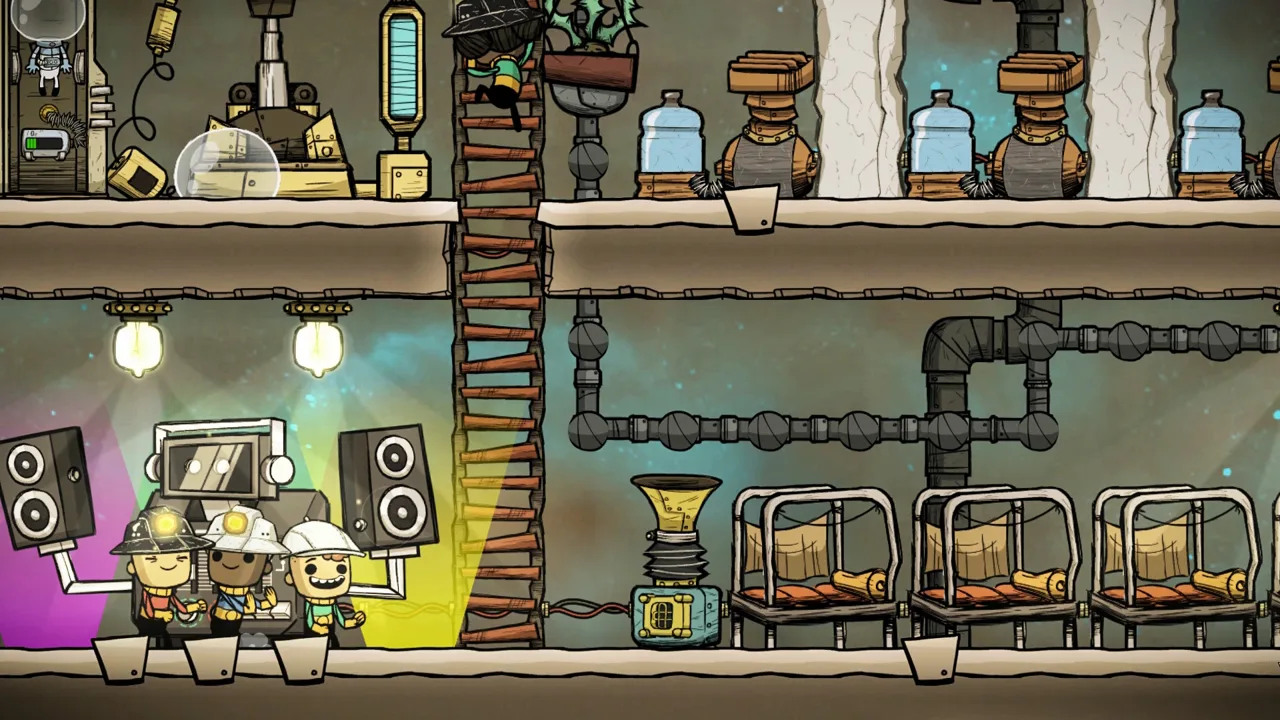
How to Build a Working Hatch Farm
An Oxygen Not Included animal farm starts with a stable, a Grooming Station, a skilled rancher, and a dependable food supply. For hatches, use a 96-tile stable for up to eight critters, then remove eggs promptly to keep reproduction running. Reserve replacement eggs before turning the surplus into meat.
Hatches produce coal as they eat, while their offspring provide a route to meat and eggshells. Keeping that production steady means managing the breeding population separately from the eggs it produces.
| Part of the hatch ranch | Target or requirement | What it does |
|---|---|---|
| Stable space | 12 tiles per hatch | Provides room for the breeding population |
| Full stable | 96 tiles for eight hatches | Fits eight without exceeding the stable size limit |
| Grooming | Grooming Station and a Duplicant with Critter Ranching | Reduces wildness and maintains grooming |
| Feeding | Critter Feeder stocked with an accepted food | Supports tame hatches and coal production |
| Egg handling | Remove new eggs from the breeding room | Prevents eggs from making the ranch cramped |
Build the room before moving critters
Construct an enclosed room, place a Grooming Station, and check the Room Overlay to confirm that it registers as a stable. A room with an interior four tiles tall and 24 tiles wide provides 96 tiles before adding internal structures that change the room area.
Place a Critter Drop-Off and a Critter Feeder where Duplicants can reach them. Configure the drop-off to accept hatches and cap the population at eight. Include hatchlings in its filters when you begin bringing replacements back from incubation.
Research through Animal Control and give a Duplicant the Critter Ranching skill before starting the ranch. Shipping equipment and elaborate automation can come later.
For a compact grooming area, use internal barriers to keep hatches near the station while leaving the larger room connected above them. Recheck the Room Overlay after changing walls, doors, or tiles: the counted room area determines capacity.
Official page: Oxygen Not Included (klei.com)
Tame Hatches and Keep Their Food Supply Running
Wrangle wild hatches with a skilled rancher, then let Duplicants deliver them to the configured drop-off. A successful delivery requires the correct critter filter and room below the drop-off’s population limit.
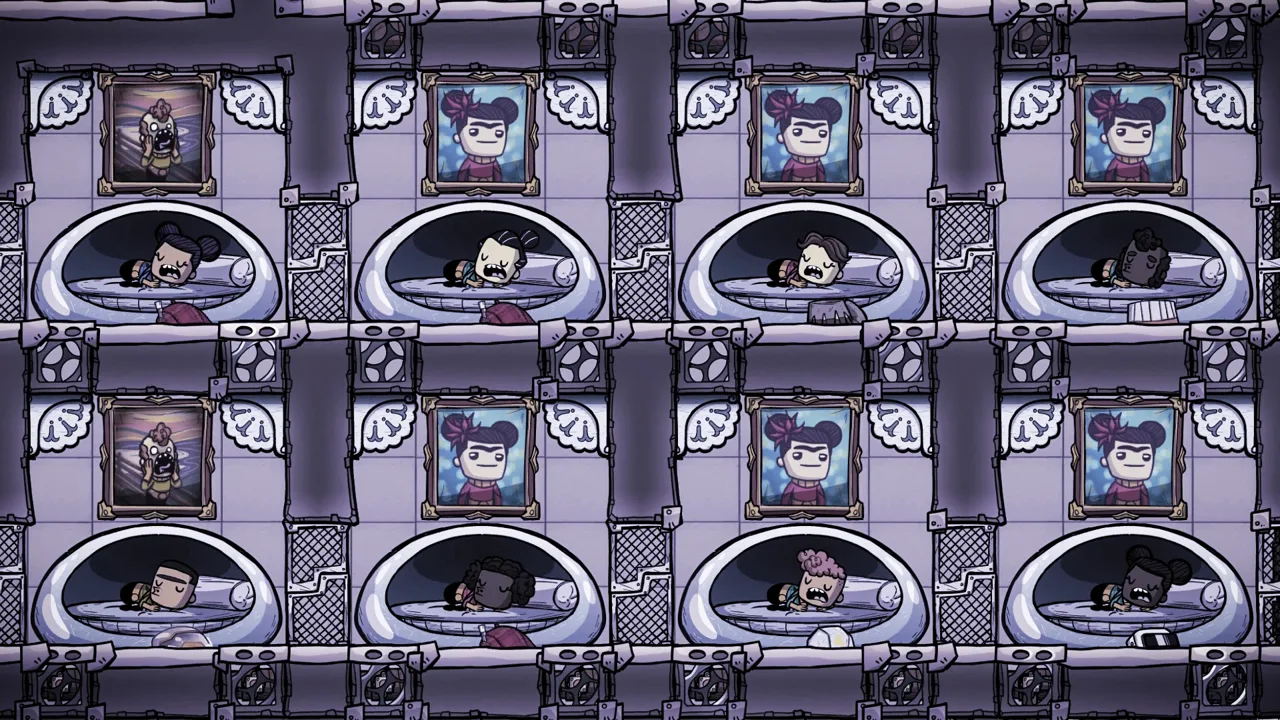 Image: Steam / Klei Entertainment
Grooming gradually lowers wildness. Once wildness reaches zero, the critter becomes tame. Baby critters cannot be groomed; hatchlings need five cycles to mature into adults.
Tame critters reproduce much faster than wild ones when their needs are met, but they also require dependable care. Keep the Grooming Station accessible and give your rancher enough time to service the population.
Choose feed deliberately
Select an accepted food in the Critter Feeder and check that the colony has enough available for deliveries. A feeder with the right filter still cannot function without supplies.
Food selection can also affect which morph eggs a critter produces. The hatch family includes:
- Hatch
- Sage Hatch
- Stone Hatch
- Smooth Hatch
Read the selected critter’s diet and egg-chance information before changing its feed. Morphs can have different diets and resource outputs, so reassess the feeder whenever the population changes.
Watch the critter’s calorie information alongside the feeder’s contents. Food elsewhere in the colony does not help a hatch if delivery errands remain unfinished.
Remove Eggs Before They Stop Reproduction
A full breeding room needs egg removal from the moment its adults begin laying. Eight hatches fit in a 96-tile stable, but eggs left inside contribute to cramped conditions and can stop further reproduction.
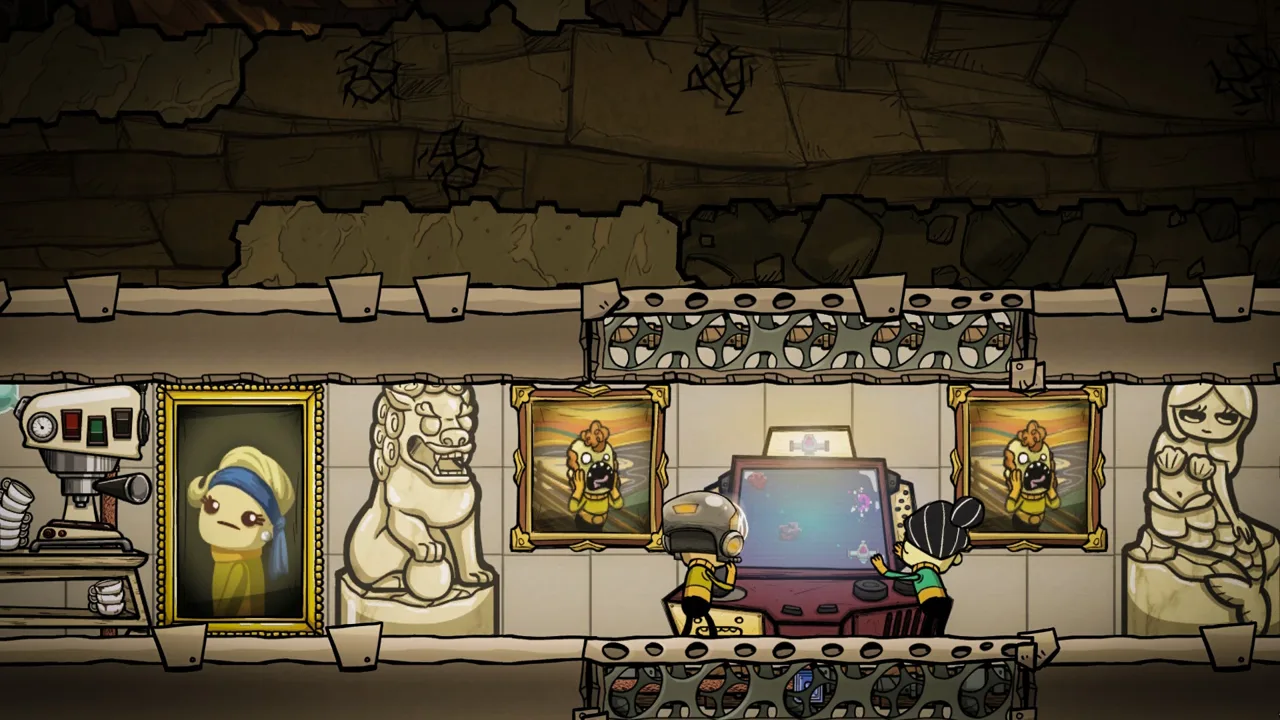 Image: Steam / Klei Entertainment
The population setting on a Critter Drop-Off controls deliveries. It does not remove eggs laid inside the room.
During the starter stage, sweep eggs out manually. Place them outside the breeding stable and release them from storage promptly. Eggs lose viability while stored in containers; at zero viability, they break into raw egg.
For ongoing production, install an Auto-Sweeper and Conveyor Loader with coverage over the egg-laying area. Configure the loader for the relevant eggs and send them to a separate collection or incubation area.
Divide eggs between replacements and food
Keep replacement breeding stock available before processing surplus eggs. A separate incubation area lets Duplicants fill designated incubators while the remaining eggs follow the food-production route.
Eggs can be cracked and cooked into omelettes, but hatching them for meat generally provides a better food return. Hatching also leaves eggshells, which the Rock Crusher can process into lime for steel production.
Keep incubators outside the breeding stable. An egg in an incubator still counts toward that room’s population conditions.
Hatch Replacements Without Powering Incubators Constantly
Hatch eggs normally take 20 cycles to hatch, progressing at 5% incubation per cycle. An incubator allows a rancher to apply the Lullabied effect, adding 20 percentage points of incubation progress per cycle while the effect lasts.
 Image: Steam / Klei Entertainment
The incubator draws 240 W when powered, but it only needs power for the rancher to perform the lullaby. The incubation benefit continues after power is switched off.
| Hatch lifecycle detail | Value |
|---|---|
| Normal egg incubation | 20 cycles |
| Normal incubation progress | 5% per cycle |
| Lullabied incubation bonus | +20 percentage points per cycle |
| Lullabied effect duration | One cycle |
| Hatchling maturation | Five cycles |
| Hatch lifespan | 100 cycles |
| Powered incubator consumption | 240 W |
Start with one incubator per eight-critter ranch, then watch whether replacements arrive before aging adults leave vacancies. Allow for both egg incubation and the hatchling’s maturation period.
An unpowered incubator can still hold an egg while it develops at its normal rate. Use powered lullabies when faster replacement matters.
Give the rancher a usable lullaby window
A Cycle Sensor can restrict incubator operation to part of each cycle. A 15% activation period is one option, provided the rancher reaches the egg and finishes the errand during that window.
Check the egg for its Lullabied effect before shortening the powered period. A brief green automation signal saves little if the rancher never completes the job.
For tighter control, a Weight Plate with Filter and Buffer Gates can detect the rancher’s visit, allow time to finish, and then disable the incubator for a cycle. This ties the shutdown to the completed interaction more closely than a fixed schedule.
Automate Egg Shipping, Feeding, and Population Checks
Upgrade the ranch in stages so each addition solves a visible bottleneck. Egg removal keeps breeding active; feed delivery reduces hauling; population sensors help manage replacements. Grooming still requires a rancher.
Add shipping equipment
Unlock the shipping technologies and provide a Duplicant with the required engineering skill to construct the equipment.
Arrange Auto-Sweepers so they can reach the items and buildings they must service. For feeding, that means access to incoming feed and the Critter Feeder. For egg removal, it means coverage of the floor where eggs collect and the Conveyor Loader.
Keep feed delivery and egg export on separate routes. Use conveyor bridges where needed to prevent the two systems from mixing.
Check the temperature of incoming feed, too. Shipping hot or cold material into a ranch can change its temperature even when the room itself has no active heating or cooling equipment.
Activate replacement incubation when a ranch has space
For an eight-hatch target, configure each breeding room’s Critter Sensor to count critters only and signal when the count is above seven.
Pass that output through a NOT Gate. The resulting signal becomes green when the room has fewer than eight critters.
For multiple ranches, combine those vacancy signals on a shared automation line. A green signal from any ranch can request replacement incubation. Feed that request into an AND Gate alongside the incubator’s Cycle Sensor, so the incubator activates only when:
- At least one ranch has a vacancy.
- The scheduled lullaby window is active.
This controls incubator power. Critter delivery still needs a configured drop-off or a separate distribution mechanism.
Keep surplus critters moving
Set breeding-ranch drop-offs to a higher priority than an overflow drop-off so replacements are delivered where they are needed.
For hatch meat production, surplus eggs can be shipped into a water-filled chamber. When the hatchlings emerge, they drown, leaving meat for collection. An Auto-Sweeper and Conveyor Loader can then move that meat toward the kitchen.
Keep replacement eggs accessible before sending the surplus into this chamber. Also keep the overflow area clear: a drop-off that reaches its configured limit cannot accept more critters.
Ranching Changes in the November 2026 Update
The November 19, 2026 Quality of Life Update changes where ranching buildings appear and expands access to aquatic grooming. Use the Farming build category when looking for buildings that older layouts placed under Food.
November 19, 2026 Quality of Life Update
| Change | Applies to | What it means for ranching |
|---|---|---|
| New Farming build category | All versions | Farming and ranching buildings move out of the Food category |
| Aquatic Grooming Station added | All versions | Aquatic grooming becomes available beyond The Aquatic Planet Pack |
| Merpip morph introduced | The Aquatic Planet Pack | Adds a Coquina-producing critter that plants aquatic seeds |
| Critter subtitles and database improvements | All versions | Critter roles and diet information are easier to identify |
Keep aquatic ranches separate from this hatch layout. The eight-hatch, 96-tile setup depends on hatch space requirements; other species need their own food, environment, and population planning.
Continue exploring
Oxygen Not Included No Sweat Vs Survival: Mode Guide
Oxygen Not Included no sweat vs survival explained: compare food needs, morale, and disease resistance, then choose your difficulty and plan your colony.

Oxygen Not Included Best Way to Make Oxygen: SPOM Guide
Oxygen Not Included best way to make oxygen: compare diffusers and electrolyzers, build a SPOM, and manage water, heat, and airflow to keep colonies alive.
Join the community
Official channels for news, updates and player help: